Large-scale works are being carried out in the medieval Saraishyq
The 2023 year is marked by large-scale scientific research, restoration work, unprecedented for the medieval Saraishyq.
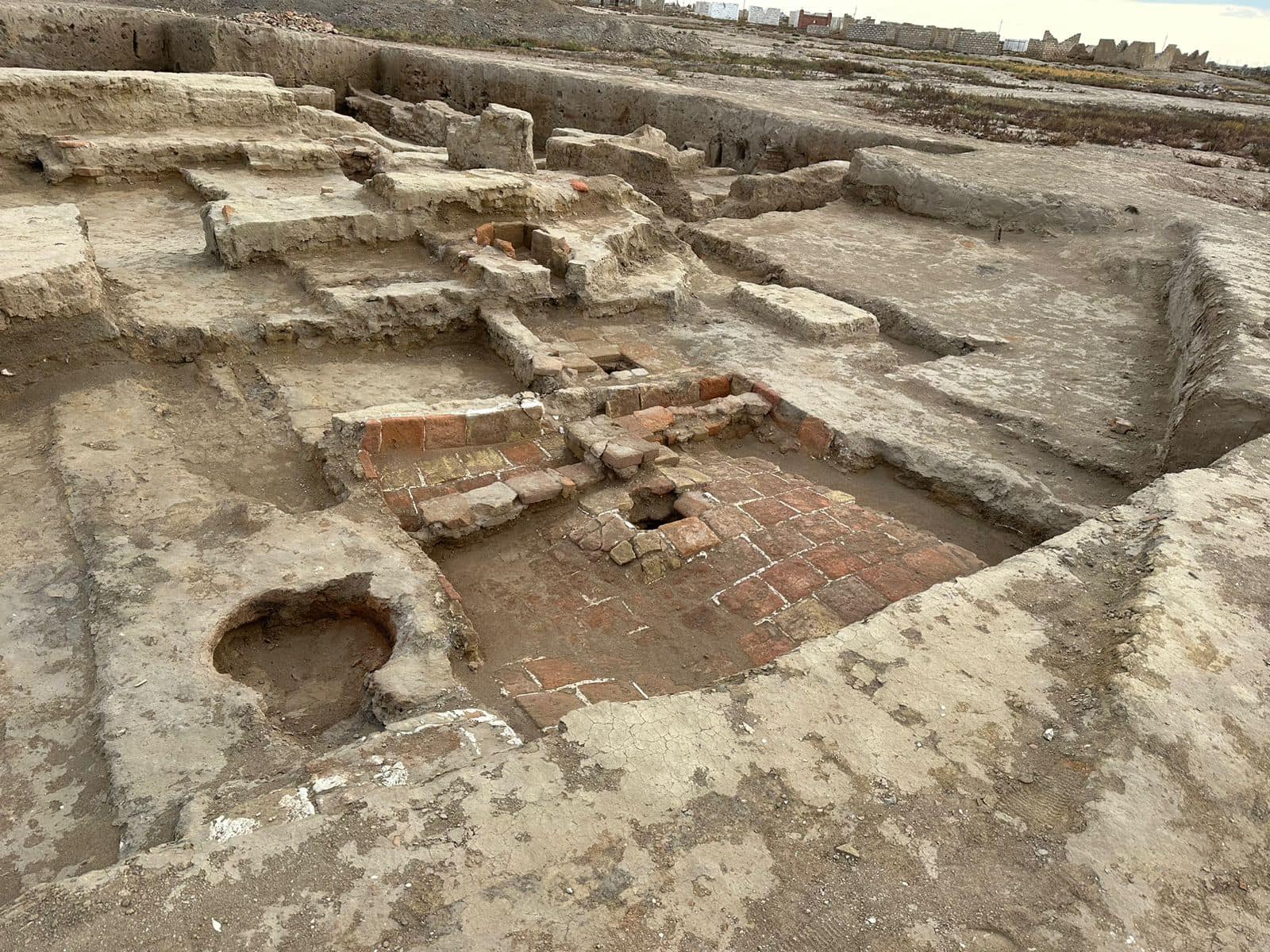
1. Within the framework of the scientific project, with the support of the Committee of Culture of the Ministry of Culture and Information of the Republic of Kazakhstan, excavations at the sites of excavation No. 3 of 2021-2022 were continued, the premises of public buildings of the Golden Horde period were opened, a private home bath of the Nogai-Kazakh period was discovered.
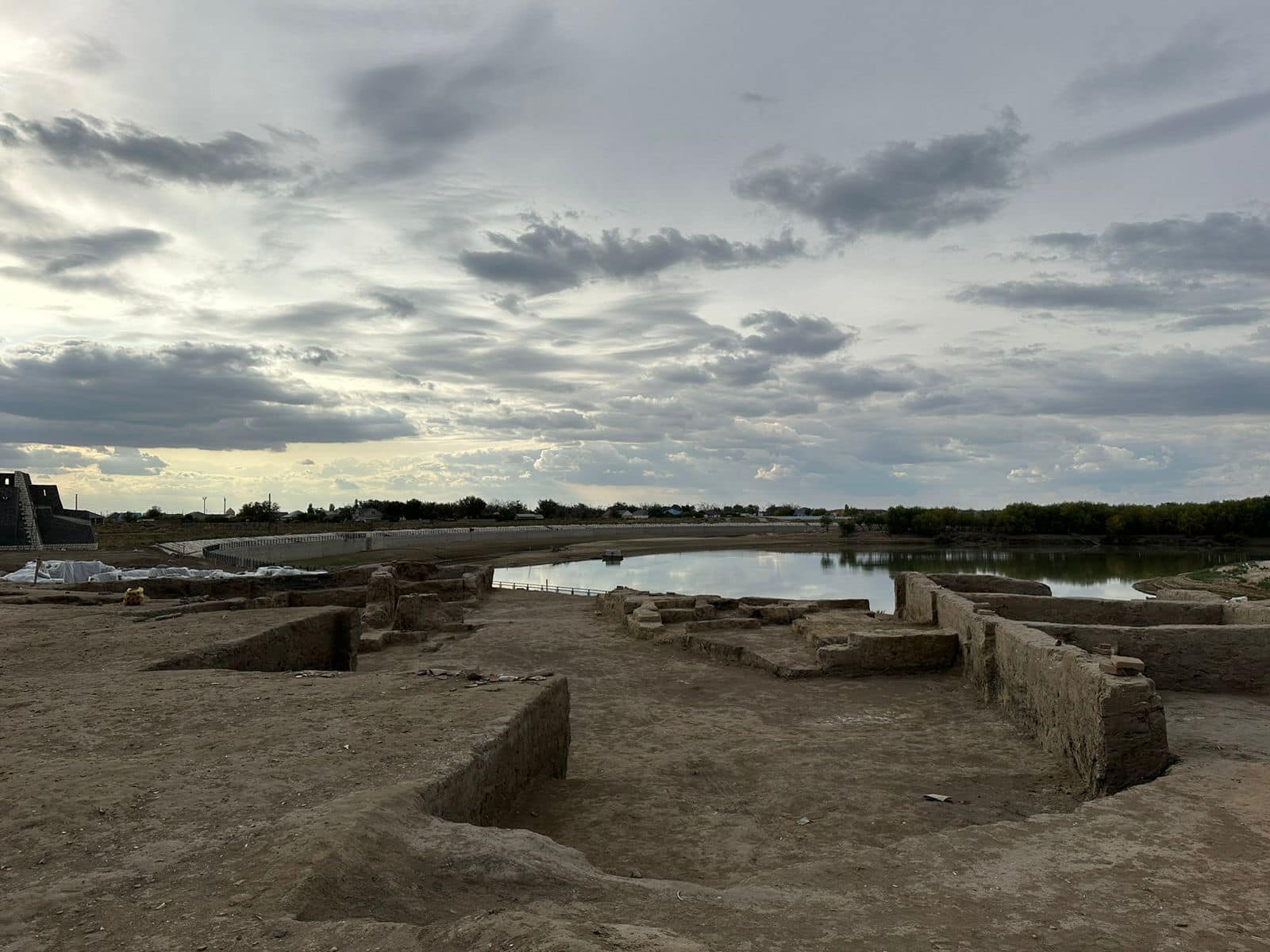
2. Within the framework of a scientific project with the support of the Science Committee of the Ministry of Science and Higher Education of the Republic of Kazakhstan, new scientific research began on 800 sq. m. and a street was opened from the Ural River.
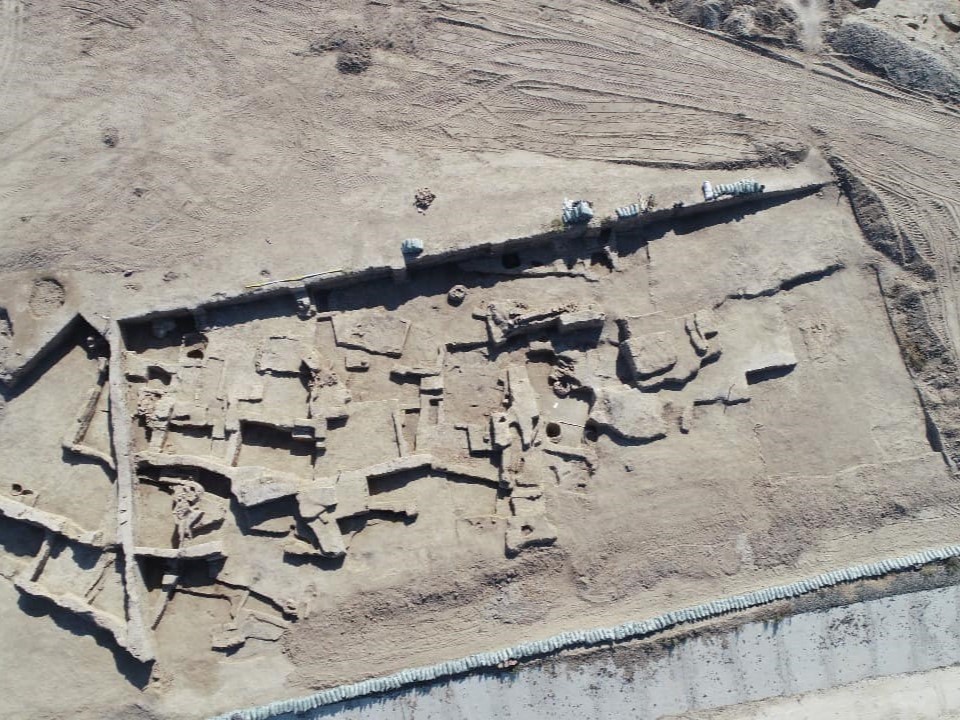
3. At the excavation site No. 1, started in 2022 at the expense of the Akimat of Atyrau region, the Bozok Museum-Reserve continued excavations and cleared medieval residential buildings.
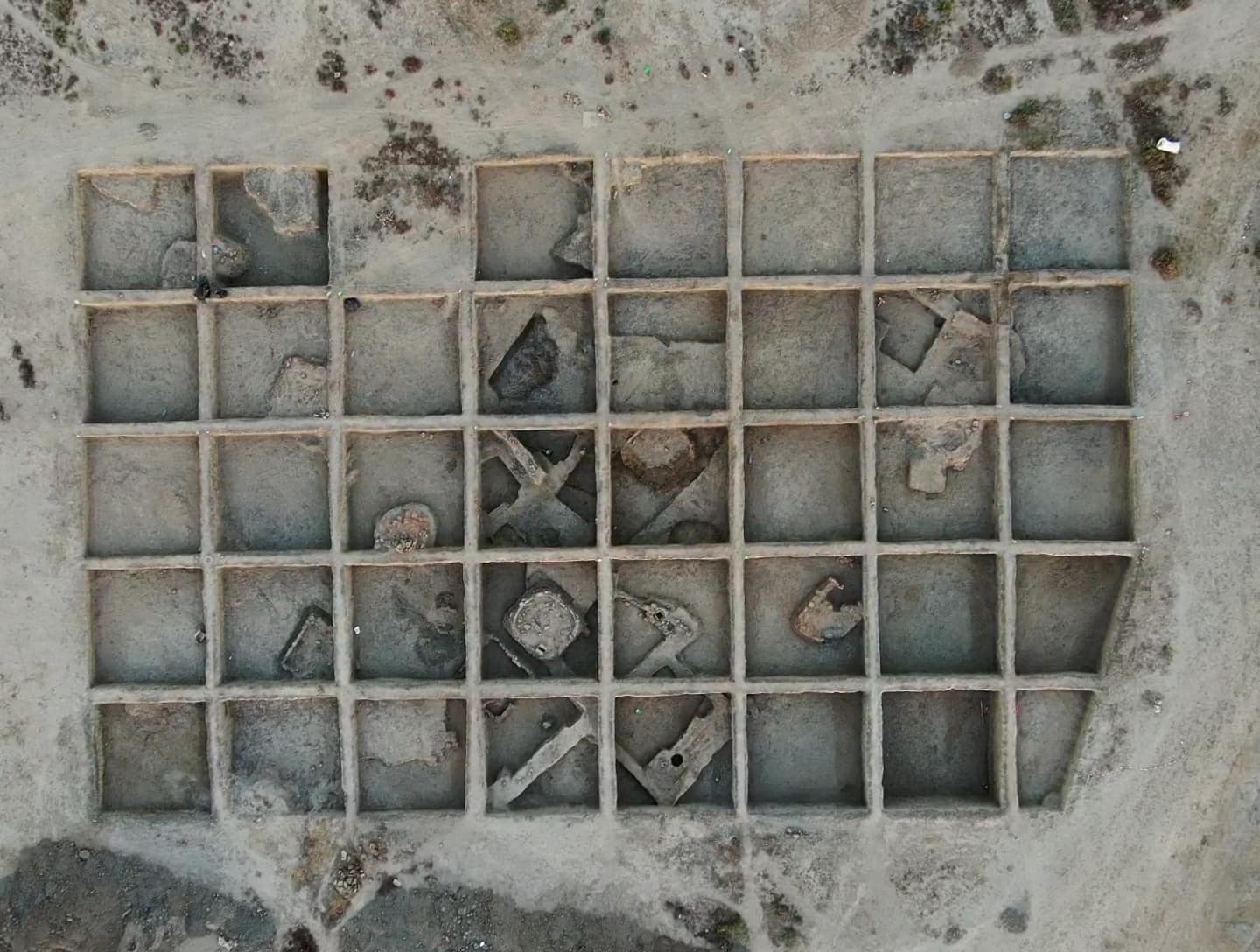
4. At the expense of the Akimat of Atyrau region, the Museum of Local History of Atyrau region has started scientific research on an area of 3000 sq.m. During the excavations, new objects are revealed.
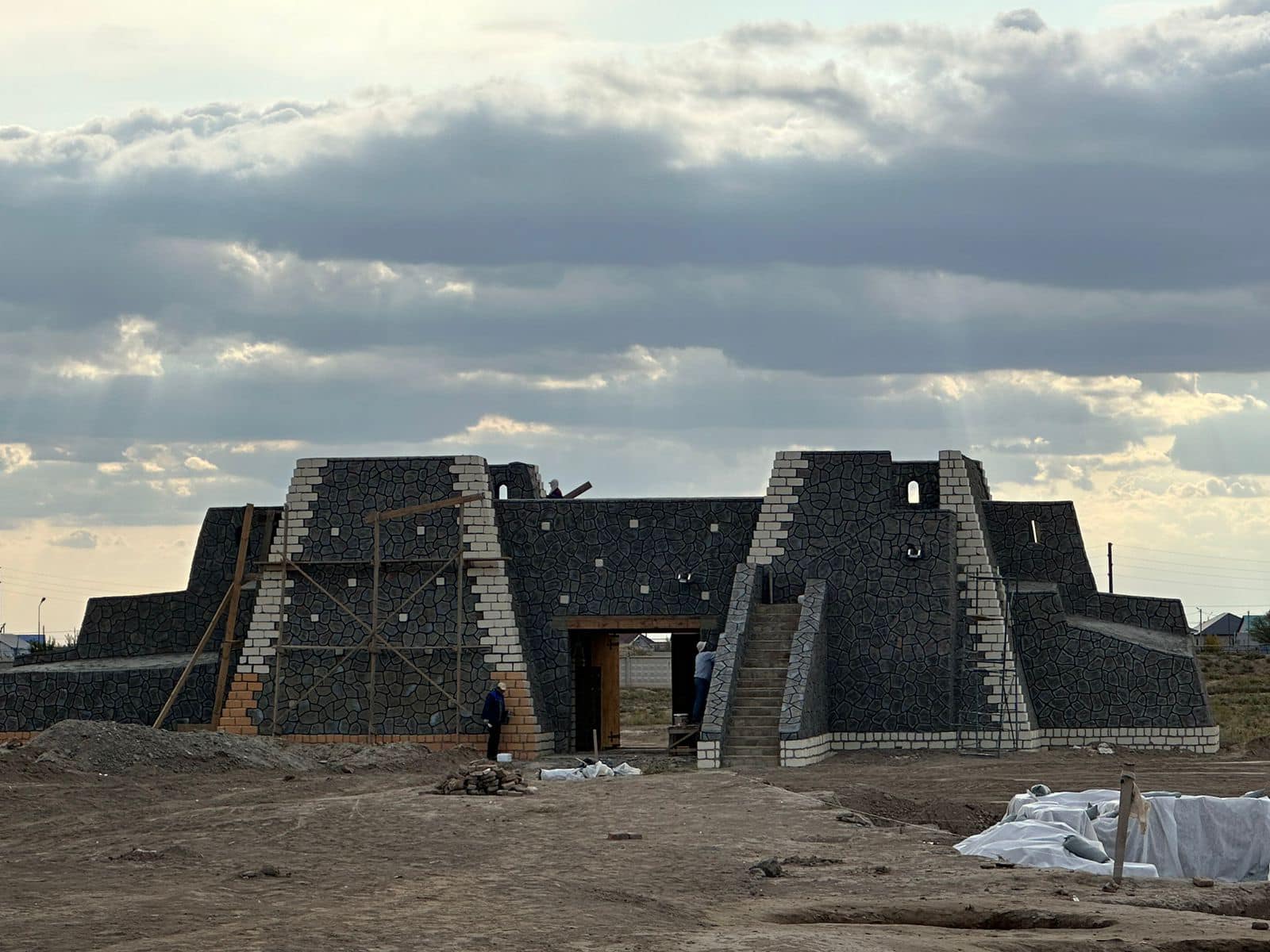
5. RSE “Kazrestoration” of the Committee of Culture of the Ministry of Culture and Information of the Republic of Kazakhstan completes the construction of gates for tourists entering the territory of the medieval Saraishyq.
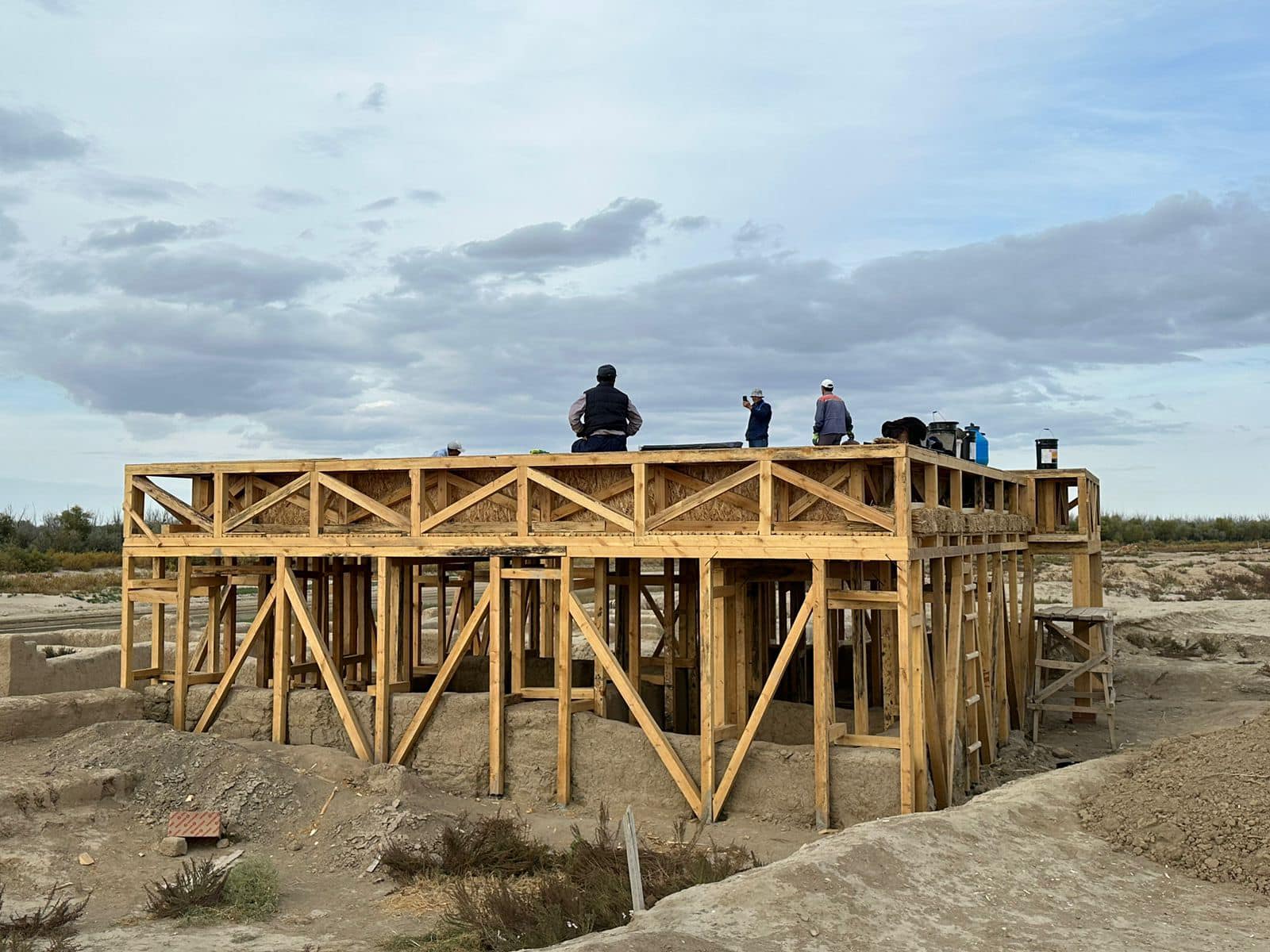
6. RSE ” Kazrestoration” of the Committee of Culture of the Ministry of Culture and Information of the Republic of Kazakhstan has started work on the reconstruction of medieval housing on the territory of the monument.
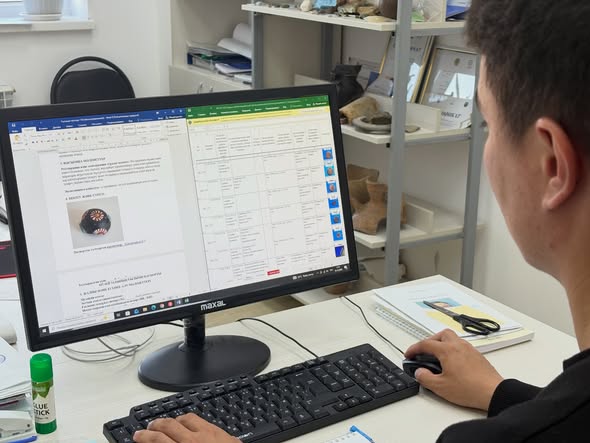
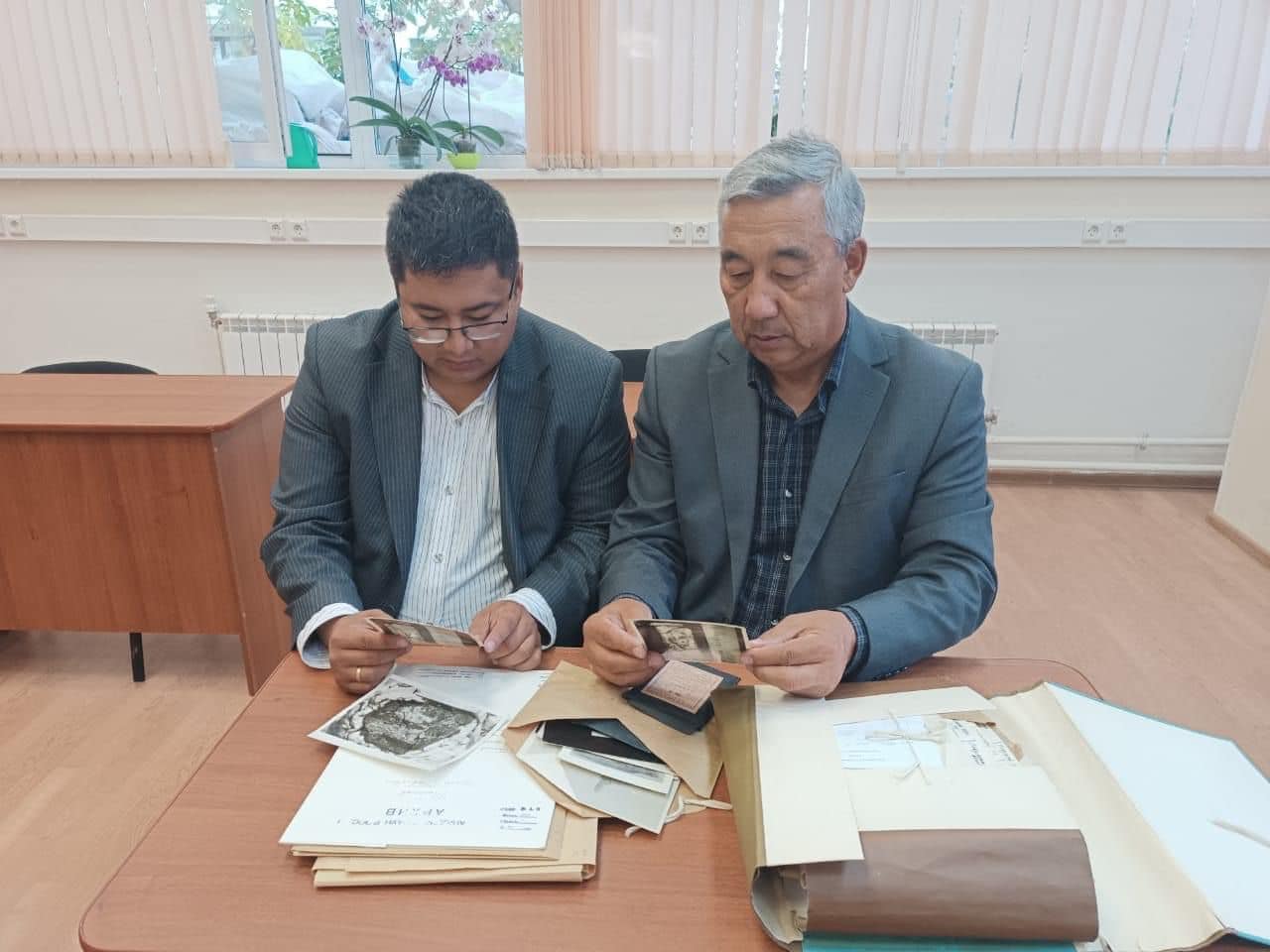
7. At the expense of the Science Committee of the Ministry of Science and Higher Education of the Republic of Kazakhstan, scientists of the “Saraishyq” Museum-Reserve continue to search in Russian archives for new data concerning the Golden Horde monuments of the West Kazakhstan region.
With the implementation of these works, the formation of an open-air museum exposition will be established. The research will continue in the coming years.
 |
 |
 |
 |
 |
 |
 |